Games in the audiovisual entertainment sector. From premiere products and projects in development, to in-depth articles and content lists; through events, markets and training opportunities, and current news.
The Spanish audiovisual industry's production and content releases are increasing every year. Discover in 'Latest Releases' the content that travels around the world in search of distribution or exhibition. Or browse 'WIP' (Work in Progress) for titles in the early stages of development that are seeking funding or co-producers.
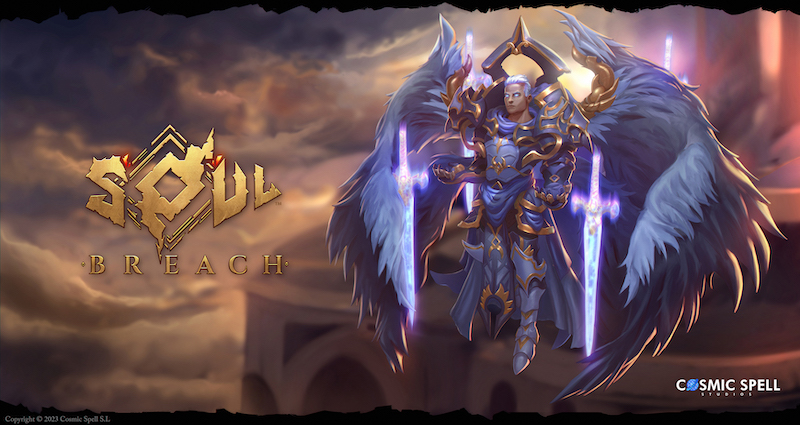
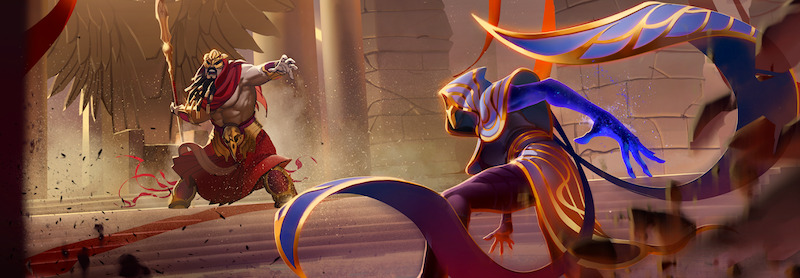
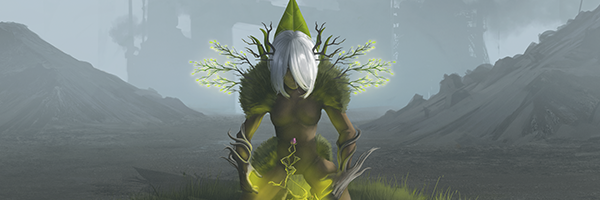
Soul Breach is a Free to Play turn-based combat RPG (role-playing game), where players acquire items and creatures that fight alongside them. The game will be released on PC and mobile.
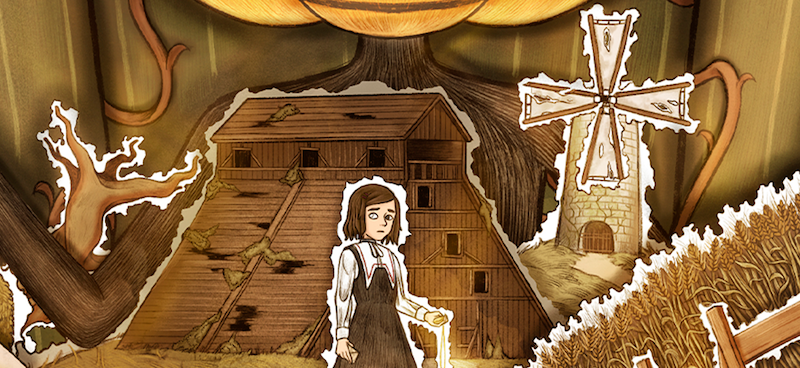
Tales from Candleforth is a folk horror 2D point and click game with puzzles and escape room mechanics, that narrates the fairy tales from the village. The text contained in this ancient and evil book is now bleeding out, mixing the world of nightmares with the real one through handmade 2D graphics.
Play matches with your dream team, score goals, win international cups and become a world champion! Mini Soccer Star is a funny and easy to play sports game where you can simulate a soccer career, from your local team to the best squads in the globe. Free kicks, goalkeeper mode, training challenges, customization options... and a very advanced AI to challenge you in every match!
Synergy Land, crafted by Synergy Games, is not just a game; it's a living, breathing world. Powered by Unreal Engine, it delivers top-tier graphics and seamless gameplay. Dive into dungeons, engage in thrilling PvP battles, and explore life skills like farming, crafting, and housing.
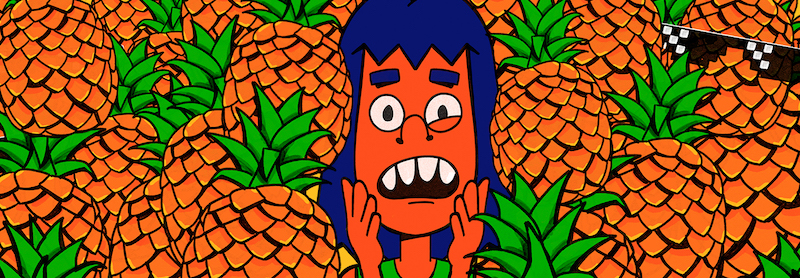
An unconventional gaming adventure, PINEAPPLE combines a humorous storyline with delightful mini-games for an engaging experience This interactive tale weaves amusement, ease, and wit, unfolding a rib-tickling story about the quirks of bullying.
Chemical Battles is a high quality 3D Deck Building-Roguelike-RTS videogame with an epic fantasy - chemical world setting. The main character, a famous scientist, is abducted after a failed experiment into a fantasy world from where we must escape using a growing army of fantastic living chemical components and powerful reactions in real time strategy PVE battles. With each run we will gain resources for improving our base, deck and scientists in order to face increasingly more defying challenges. Gather your forces, prepare your reactions and defy your destiny in Chemical Battles! Invent the victory formula!
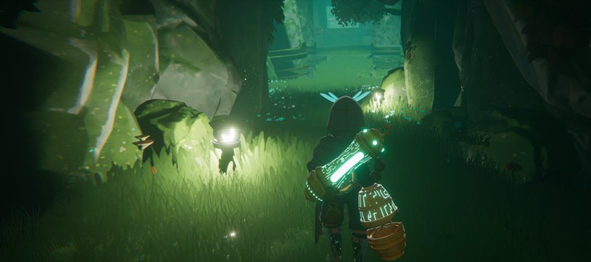
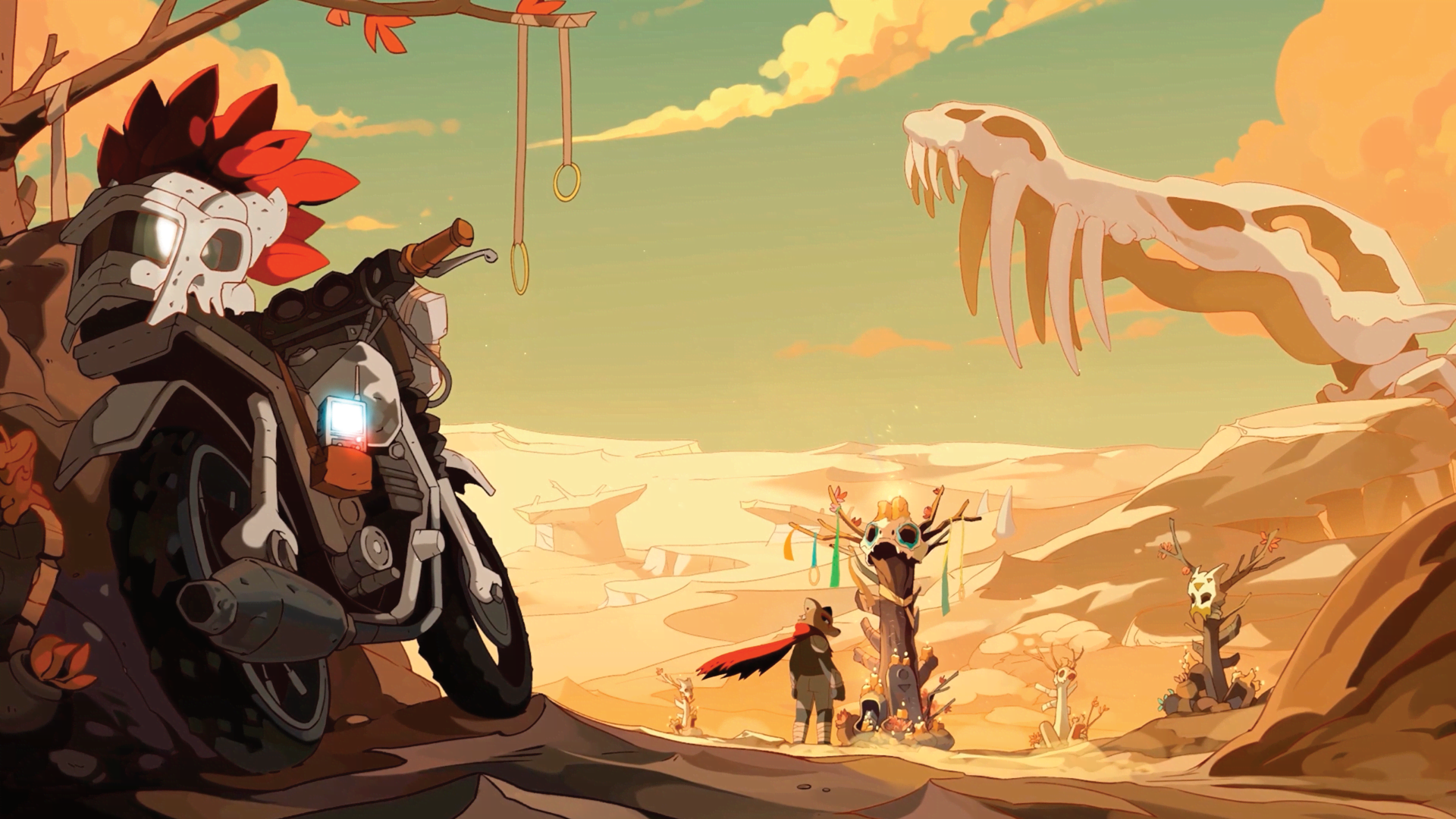
ARICO: Tales from the Abyss" is a 3D Metroidvania with elements of exploration, survival, puzzles and resource management where the player is expected to explore the different layers of an abyss to end up discovering the events that triggered the fall of Civilization.
Buried in the shadows of the ancient country of Hispania lies a small island called Tormentosa. Very few remember its name, but many know its legend. Tales of sorrow and tradition, bitter memories buried in the deep sea. Gabriel, a skeptic soldier with a sense of life as dark as his past, will be dragged to a twisted adventure that will shudder the pillars of his own reality.
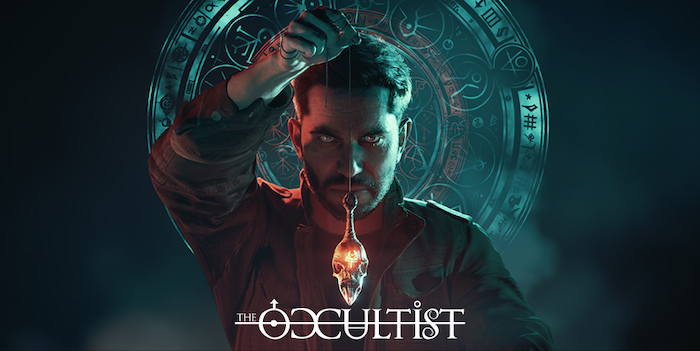
The Occultist is a dark narrative-rich game in which you'll step into Alan's shoes, a gifted paranormal investigator where the veil between life and death is thrillingly thin. Alan's father mysteriously vanishes, leaving behind only echoes of the strange stories he told in Alan's childhood. Tales of GodStone, a fictional island where he claimed to have grown up.
Compelled by suspicion, Alan sets course for this elusive place. Accompanying him is a family heirloom - a mystical pendulum, the unique artifact in this game, stirring intrigue and awakening ancient powers.
Human Fall Flat 2 is the bigger, better and clumsier sequel to the puzzle platformer global sensation featuring brand new levels, customisable characters, and even wilder physics-based fun.
Each intricate level comes packed with new toys and devices to fiddle with as you'll solve a range of fiendish puzzles on your own or in teams of up to eight friends.
A new physics-engine, new gameplay interactions and new mechanics will make every session uniquely silly and more dynamic than ever before. Along with refined controls, visuals and music, Human Fall Flat 2 is a slapstick experience unlike any other!
Project Dream Escape is a roguelike-lite game at the Vertical Slice stage. It is a game aboutpower, and throwing everything at your will with the use of telekinesis!
You are Iret, a girl who obtained this power and with it, the task to prevent an Old Mighty Creature from devouring your world. Empower yourself or your allies in this journey while the world reacts to your decisions and your character grows stronger in a roguelike or roguelite style, all up to you!
Build up your skills, relics, cards, shards and runes to create custom setups to defeat every realm’s boss and ultimately face the Mighty Creature! How many builds will you try?
Explore by
Genre
Discover audiovisual productions categorized by genre and easily find the type of content that best suits your interests.
Since Destroyer, the first Spanish video game to be commercialized, appeared in 1980, the Spanish video game industry has gone through different phases, not all of them involving growth. There have been moments of great splendor and popularity, but also unremarkable periods of time. We are currently witnessing the peak of the industry's history in terms of the number of Spanish video games developed, and perhaps also in terms of quality, to the point that we are already beginning to talk about a second golden age for Spanish software.
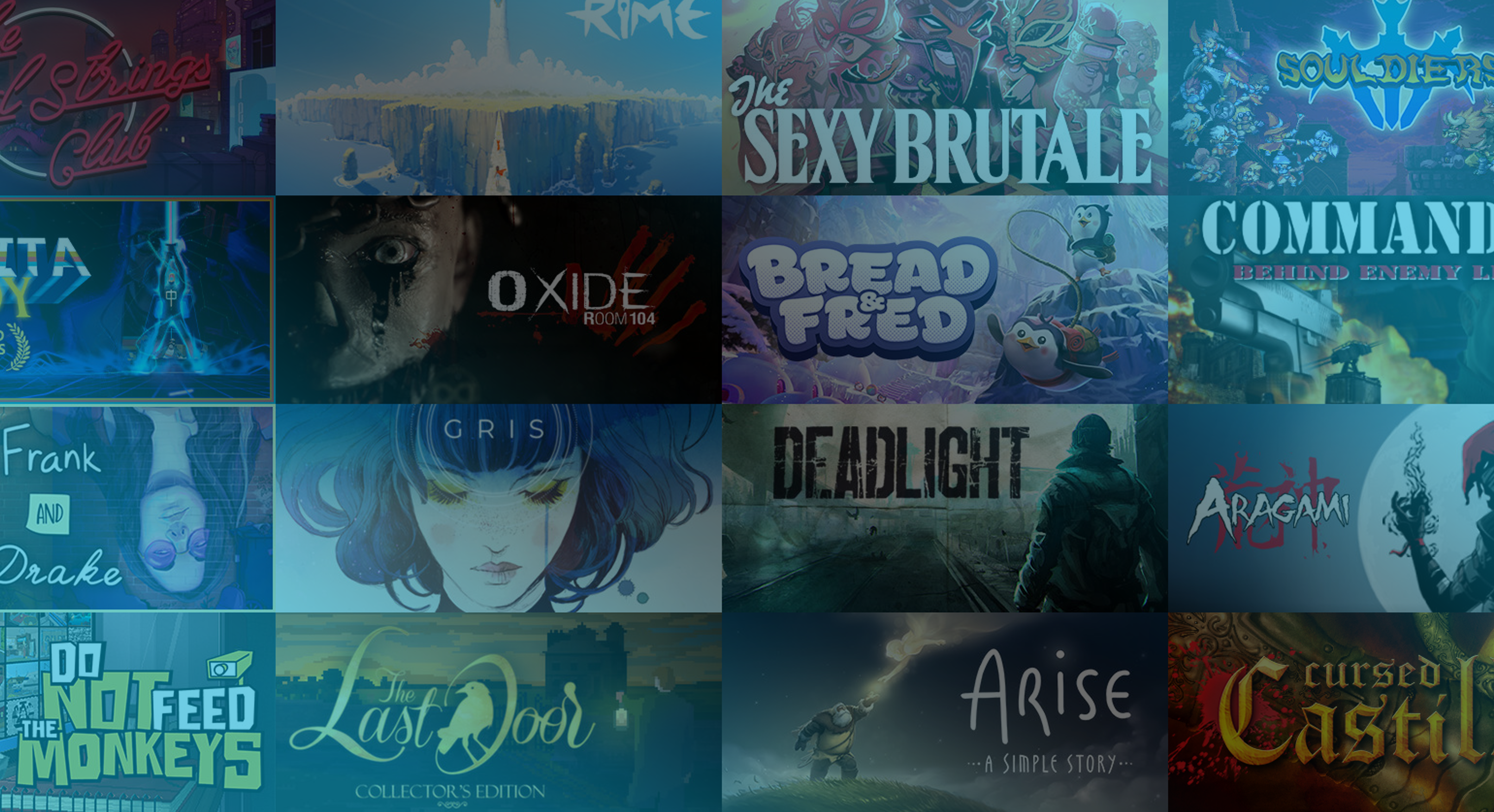
This collection of games shows examples of the use of narrative in video games, highlighting the variety of possible stories, genres and formats that can be offered to the public. Unlike the traditional narrative where the receiver is limited to observing already established content, in the videoludic narrative the players live the story in the first person and are able to interact with it. This is due to the non-linear structure of the story, which in the video game is always branched, metamorphic and centered on the decisions of the person playing the game. Despite this difference in structure, video games often draw on narrative strategies popular in the tradition of the cultural industry: The transposition of literary, comic, and audiovisual products as a way of updating content for a new audience; the revival of utopia and dystopia as a narrative space to tell stories of the present; the appropriation of traditional narrative genres for the creation of modern myths. They show the potential of videogames to reinvent narrative, allowing us to explore and imagine possible worlds.
This collection engages in dialog with the conventions of the horror genre and opens up new possibilities by altering some of the rules of videoludic language. The video games presented look to the monstrous, the fantastic and the sinister as narrative strategies learned from audiovisual stories and the literary genre. By transferring these to the new medium, a new dimension is added: the playful mechanics of the videogame itself. Making use of the characteristic conventions of this medium and altering them as appropriate in order to obtain certain effects, these games generate a wide range of feelings in those who play them. Thus we see: - The monstrous as a narrative of the world as a hostile place. - The fantastic as an imaginary constitutive of reality. - The sinister as a specific manifestation of the invisible. All contribute to generating the pleasures inherent in this genre, increased by the interactive possibilities of the medium.
In this collection, video games are presented as a form of art and culture that draws from other forms of artistic expression, and it is possible to clearly identify the aesthetic influences of the great masters of the traditional arts. As in the case of Gris and the sculptural work of Alexander Calder, playing with video games means interacting with meaningful systems that help us to become part of the act of creation and aesthetic consumption. From the revival of traditional craft techniques to the recreation of new realities based on innovative aesthetic principles, in video games we find: • Aesthetic design, reviving artistic techniques of the past. • The design of space as a new form of landscape; architectural and environmental art. • The gaming experience as the driving force behind a new aesthetic product of the digital era. All show how in the gaming experience, the perception of pleasure, beauty and the sublime is accompanied by the perception of the player's own experience, thus creating a bridge between tradition and innovation.
Within the framework of the G-Star 2025 trade fair, four Spanish companies have been selected to participate in the B2B area, which will take place from November 13 to 15. The group consists of Abylight Barcelona, Red Mountain, Sand Castles Studio, and Vermila Studios.
In addition, the Spanish delegation will also include Ao Norte, Cosmic Spell, and DALOAR Studios.
Join Us at the Queen Sirikit National Convention Center (QSNCC) in Bangkok, Thailand – October 16–19
The B2B area will be held on October 16–17 in the Plenary Hall, 1st Floor, and will be open from 10:00 AM to 6:00 PM. Visit the Games from Spain booth at C11.
The B2C area is located in the Entertainment – Indie Area, where Vermila Studios and Gamez Studio will showcase their games at Kiosk 23 and Kiosk 24, respectively.
Meet the Games from Spain Delegation:
- 1SP Agency
- Bowl of Tentacles
- Canary Islands Games
- Drakhar Studio
- Factoría
- Foxter Studio
- Gamez Studio
- Loc & Capture
- Moonmana Games
- Tellmewow
- Vermila Studios
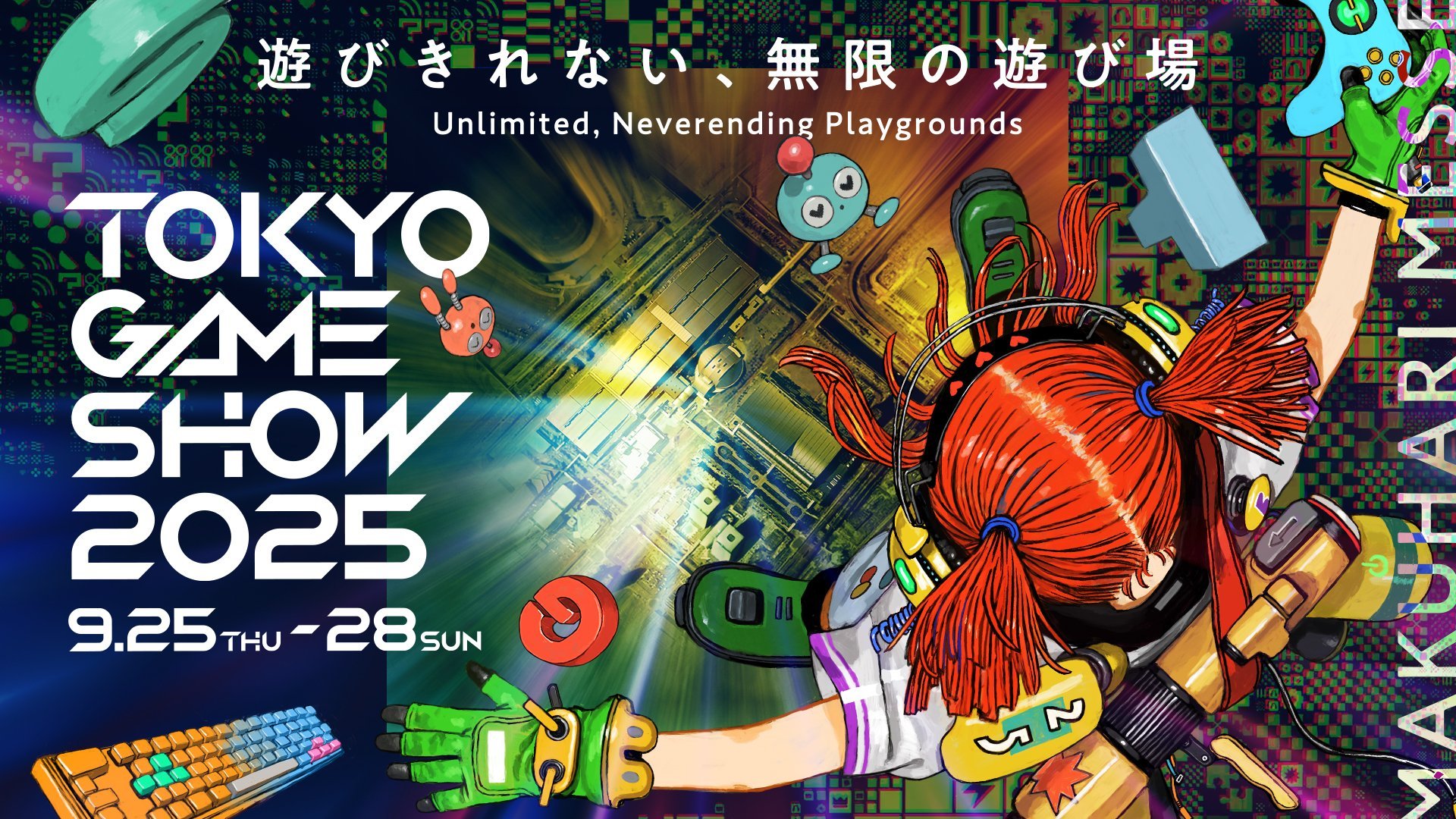
Tokyo Game Show is the world’s largest entertainment software trade fair, attracting over 6 million visitors in its most recent edition — including gamers, publishers, distributors, development studios, and other key stakeholders in the video game industry. ICEX invites you to participate and gain a strategic advantage in a setting that brings together major global players such as Sony Interactive Entertainment, Ubisoft, and Xbox Game Studios.
By joining the Games from Spain Pavilion, organized by ICEX, your company will benefit from enhanced visibility to present your projects to the Japanese market, along with a dedicated networking space designed to facilitate business development opportunities with potential partners and investors.
Whether you are an established company or an independent developer, ICEX offers the ideal platform to position your business in Japan and drive your projects to the next level.
https://spaingamematsuri.com/en/spain-game-matsuri-en/
The concept of the golden age of Spanish video games has always been associated with the 1980s, microcomputers, and 8-bit games; until now. With the emergence of digital markets and the indie boom, the Spanish video game industry has exploded, reaching levels of quality and international success that were unthinkable before. A growth that began at the beginning of the last decade and seems to have reached its peak during the past 2023; a year that, for many players, is the best in our industry in terms of quantity and quality.
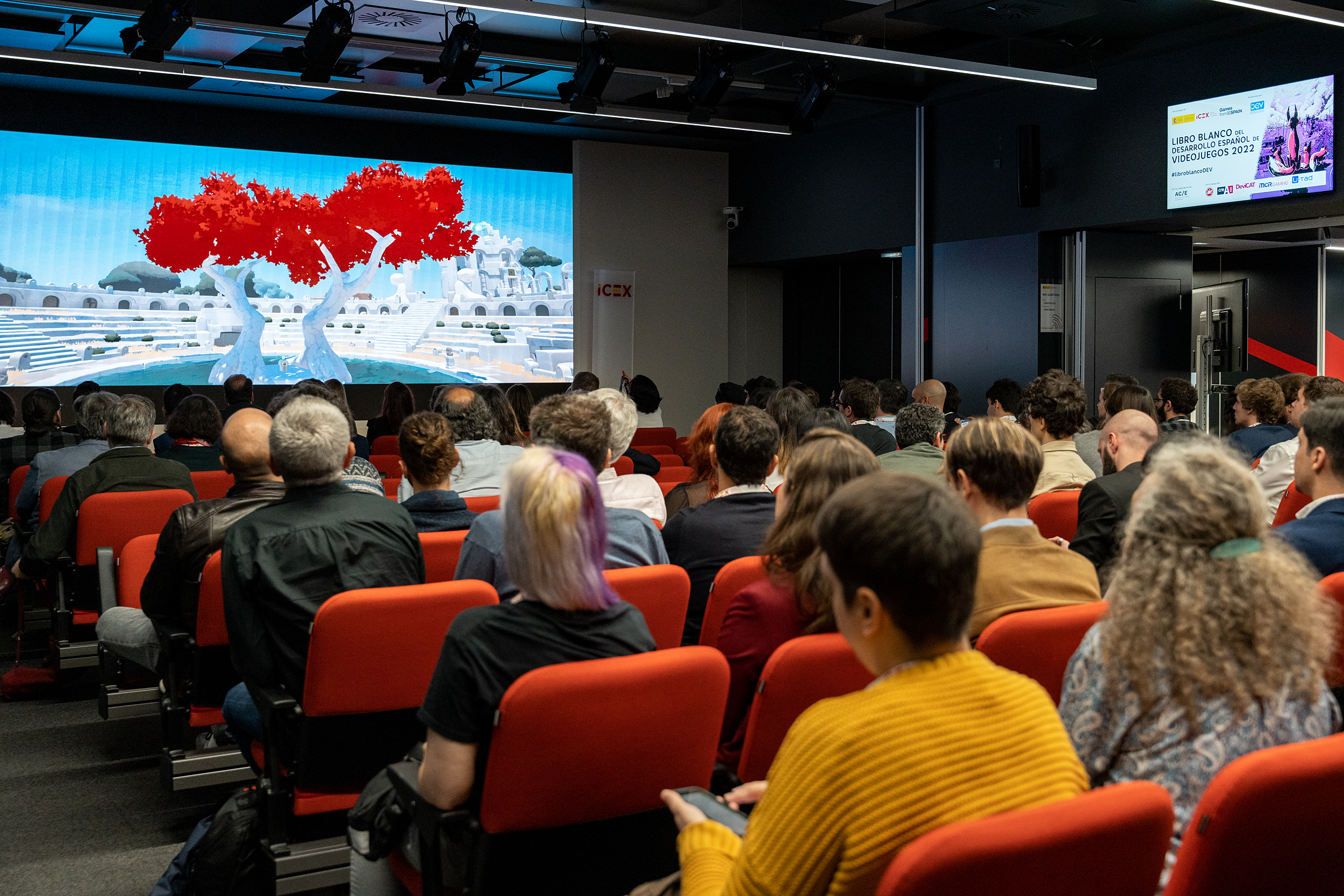
The Spanish video game sector had a turnover of 1.281 billion euros in 2021, a 16% increase over the figure for the previous year, and expects to exceed 2.2 billion in 2025, according to figures published in the ninth edition of the White Paper on Spanish Video Game Development 2022, published by DEV, the Spanish Association of Video Game and Entertainment Software Production and Development Companies presented today at the headquarters of ICEX Spain Export and Investment. Growth in the sector is not solely economic - the industry is also employing more and more people. In 2021, 8,833 professionals were working in the sector, an increase of 10% over the previous year, and the number of direct jobs is expected to exceed 13,000 by 2025. Twenty-four percent of employees are women, two points above the European Union average.
The names of the projects selected to represent the Spanish film industry at the Cannes Film Festival market have been announced: five producers will participate in the Producers Network's Spanish Spotlight, four documentary proposals will be presented in the Spanish Showcase at Cannes Docs, five projects in development will be presented by Spanish Screenings at Goes to Cannes and eight short films will be shown at the Short Film Corner.
Who is Who XR from Spain
A publication that offers a comprehensive picture of the extended reality industry in Spain.
Who is Who Games from Spain
Search, discover and contact Spanish companies in the animation sector. An updated directory of the major games studios in Spain.
Who is Who Shooting in Spain
‘Who’s Who’ guide, where foreign investors can find full information about the audiovisual industry in Spain, and the business and professional network.
Spain, Audiovisual Hub of Europe
Boost Plan for the Audiovisual Sector, one of the axes of the Digital Spain 2025 agenda.
Spain Audiovisual Bureau
Assistance service for companies interested in undertaking projects in the audio-visual sector in Spain as well as for Spanish companies interested in internationalising their activity.
Reports
Sectoral reports by state and international public bodies on the audiovisual production industry, and on the animation and video game sector.
Our Social Media
Audiovisual from Spain
Hoy y mañana, el Festival de San Sebastián - Donostia Zinemaldia pone el foco en la conexión entre creatividad, inversión y nuevas oportunidades para el audiovisual. En el marco de Industria, se celebra la Creative Investors’ Conference, que reúne a destacados inversores, productores, distribuidores y profesionales de referencia del sector audiovisual. Dos jornadas de mesas redondas, networking y reuniones privadas para compartir perspectivas, generar conexiones y explorar nuevas vías de colaboración e inversión en la industria.
Ayer, en el Festival de San Sebastián, seguimos haciendo viajar las historias de #WhereTalentIgnites 🔥 Presentamos Flamenco, La Llama y La Tarara, tres nuevas piezas que forman parte de Stories Travel Further, el nuevo capítulo de la campaña global de Audiovisual from Spain. Tres miradas, tres lenguajes y distintas formas de entender la creatividad contemporánea española, uniendo cine, performance, moda, animación y diseño. La tarde también contó con una conversación con Carla Simón, una oportunidad para conocer de cerca su mirada y seguir explorando qué ocurre cuando el talento, la cultura y la creación se encuentran. #SSIFF
Audiovisual from Spain
“Terminal” receives an Honourable Mention at TIFF 🔥
Alexandre Siqueira’s animated short “Terminal” has received an Honourable Mention for Best Animated Short Film at the 51st Toronto International Film Festival. The film follows Jorge, a man in his fifties who returns home to his mother after more than 30 years travelling the world. When his mother discovers that he is ill, she is confronted with her son’s desire and forced to question her faith, values and understanding of loss.










Our Social Media
Hoy y mañana, el Festival de San Sebastián - Donostia Zinemaldia pone el foco en la conexión entre creatividad, inversión y nuevas oportunidades para el audiovisual.
En el marco de Industria, se celebra la Creative Investors’ Conference, que reúne a destacados inversores, productores, distribuidores y profesionales de referencia del sector audiovisual.
Dos jornadas de mesas redondas, networking y reuniones privadas para compartir perspectivas, generar conexiones y explorar nuevas vías de colaboración e inversión en la industria.
📍 Hoy y mañana, de 10:00 a 14:00 en Tabakalera.
#CreativeInvestorsConference #SanSebastián #FestivalDeSanSebastián #Industria #Audiovisual #FilmIndustry #CreativeInvestment
Ayer, en el Festival de San Sebastián, seguimos haciendo viajar las historias de #WhereTalentIgnites 🔥
Presentamos Flamenco, La Llama y La Tarara, tres nuevas piezas que forman parte de Stories Travel Further, el nuevo capítulo de la campaña global de Audiovisual from Spain.
Tres miradas, tres lenguajes y distintas formas de entender la creatividad contemporánea española, uniendo cine, performance, moda, animación y diseño.
La tarde también contó con una conversación con Carla Simón, una oportunidad para conocer de cerca su mirada y seguir explorando qué ocurre cuando el talento, la cultura y la creación se encuentran. #SSIFF
“Terminal” receives an Honourable Mention at TIFF 🔥
Alexandre Siqueira’s animated short “Terminal” has received an Honourable Mention for Best Animated Short Film at the 51st Toronto International Film Festival.
The film follows Jorge, a man in his fifties who returns home to his mother after more than 30 years travelling the world. When his mother discovers that he is ill, she is confronted with her son’s desire and forced to question her faith, values and understanding of loss.
Congratulations to the entire team! Studio Kimchi Xbo films BAP Animation Studios ✨
#Terminal #AlexandreSiqueira #TIFF #TorontoInternationalFilmFestival #Animation #ShortFilm #AnimatedFilm